Featured

Table of Contents
While we are familiar with the tax provisions of the issues provided herein, as Financial Advisors of RJFS, we are not qualified to render advice on tax or legal matters. You need to go over tax or legal matters with the proper specialist. **TSP: The Thrift Savings Plan (TSP) is a retirement cost savings and financial investment strategy for Federal staff members and members of the uniformed services, consisting of the Ready Reserve.
The Federal Retirement Thrift Investment Board (FRTIB) administers the TSP. IRAs: Contributions to a traditional individual retirement account may be tax-deductible depending on the taxpayer's earnings, tax-filing status, and other factors. Withdrawal of pre-tax contributions and/or incomes will be subject to regular income tax and, if taken prior to age 59 1/2, might go through a 10% federal tax penalty.
In addition, with a Roth IRA, your permitted contribution may be decreased or gotten rid of if your annual earnings exceeds certain limitations. Contributions to a Roth individual retirement account are never ever tax deductible, but if specific conditions are met, circulations will be completely income tax free. Roth IRA owners must be 59 or older and have held the individual retirement account for five years before tax-free withdrawals are permitted.
In addition, each converted quantity may go through its own five-year holding period. Converting a standard individual retirement account into a Roth IRA has tax implications. Financiers need to speak with a tax consultant before deciding to do a conversion.
Start by examining your spending plan for the year. Analyze your bank and credit card statements for the past year.
Why to Handle Your Finances Better in 2026?
Adjust your budget categories to show changes in your lifestyle or monetary goals. Contributing the maximum amount to your retirement accounts can offer significant tax benefits and help secure your monetary future.
1Consult with a financial expert to identify the best retirement method. Guarantee that your asset allowance aligns with your risk tolerance and monetary objectives.
Tax planning is a vital part of year-end monetary planning. Evaluation your tax circumstance and take actions to lessen your tax liability.
Selecting the Right Credit Option in 2026
Seek advice from a tax professional to explore tax-saving chances and tax-efficient financial investment strategies. Regularly reviewing your credit report is important for preserving a healthy credit score and recognizing possible errors or deceptive activity. Get a totally free copy of your report from each of the three significant credit bureaus (Equifax, Experian and TransUnion) and evaluate them carefully.

Dispute any mistakes with the credit bureau. Think about credit monitoring services for continuous security. As you review your finances, take time to upgrade your monetary goals. Review your accomplishments over the previous year and set brand-new goals for the year ahead. Set specific, quantifiable, possible, pertinent and time-bound (CLEVER) objectives.
Review and change your objectives periodically throughout the year. Guarantee that your insurance coverage meets your current needs. This includes health, life, home, vehicle and any other relevant policies. Update your coverage as required to show any modifications in your individual or financial situation. Assess your existing protection and determine any spaces.
Fixing Credit After the 2026 Economic RecessionReliable Steps to Improve Your Credit in 2026
Think about bundling policies for potential discount rates. It's essential to occasionally review and upgrade your beneficiary classifications on your financial accounts and insurance coverage. Life changes, such as marital relationship, divorce, birth of a child, or the death of an enjoyed one can affect your desired beneficiaries. Ensuring your designations are present helps avoid potential conflicts or legal concerns in the future.
Verify that your beneficiary classifications align with your present desires and estate plan. Update your designations as needed, bearing in mind any modifications in your individual or financial situations. If you have a Versatile Spending Account (FSA) or Health Cost Savings Account (HSA), keep in mind to utilize your qualified dollars before they end.
Evaluation eligible costs to take full advantage of benefits. Arrange any upcoming medical professional visits, dental examinations, or medical treatments. Purchase qualified health service or products, such as prescription eyeglasses, contact lenses, or non-prescription medications. Keep all invoices and paperwork for tax purposes. An emergency fund is essential for monetary stability. Goal to have three to 6 months' worth of living expenses saved in a quickly accessible account.
Conserve any windfalls, such as tax refunds or rewards. Start conserving for these expenditures now to help prevent financial strain later on.
Why to Handle Your Finances Wisely in 2026?
Establish automatic contributions to these accounts. Screen your development and adjust as needed. Consider speaking with a monetary professional who can help you develop a thorough and thorough financial plan. Look for a Licensed Monetary Organizer or a fiduciary consultant. Request for recommendations from pals, household, or associates. Inspect the consultant's credentials and reputation.
By following this year-end monetary list, you can work towards a flourishing and economically protect brand-new year. Put in the time to examine and change your financial resources, and do not hesitate to look for expert advice to ensure you are on the right track.
A monetary plan is a structure for directing income, costs, debt, and savings. A clear strategy reduces unpredictability and supports decision-making throughout the year. The steps below overview a useful approach that fits daily financial resources. 1. Develop a Standard File overall earnings, fixed expenditures, variable costs, cost savings balances, and impressive financial obligation.
Fixing Credit After the 2026 Economic RecessionBudgeting Vs Saving: Better Planning for 2026
A total standard recognizes where pressure exists and where modifications are possible. 2. Define Top priorities Identify the primary financial goals for the year. Common concerns consist of emergency cost savings, debt decrease, retirement contributions, essential purchases, and future planning requirements. Limitation the list to a little number of targets so that earnings is allocated with function.
Separate repaired responsibilities from flexible spending. Assign a particular amount to savings and debt payment. Set repeating transfers for savings, retirement contributions, and needed sinking funds.
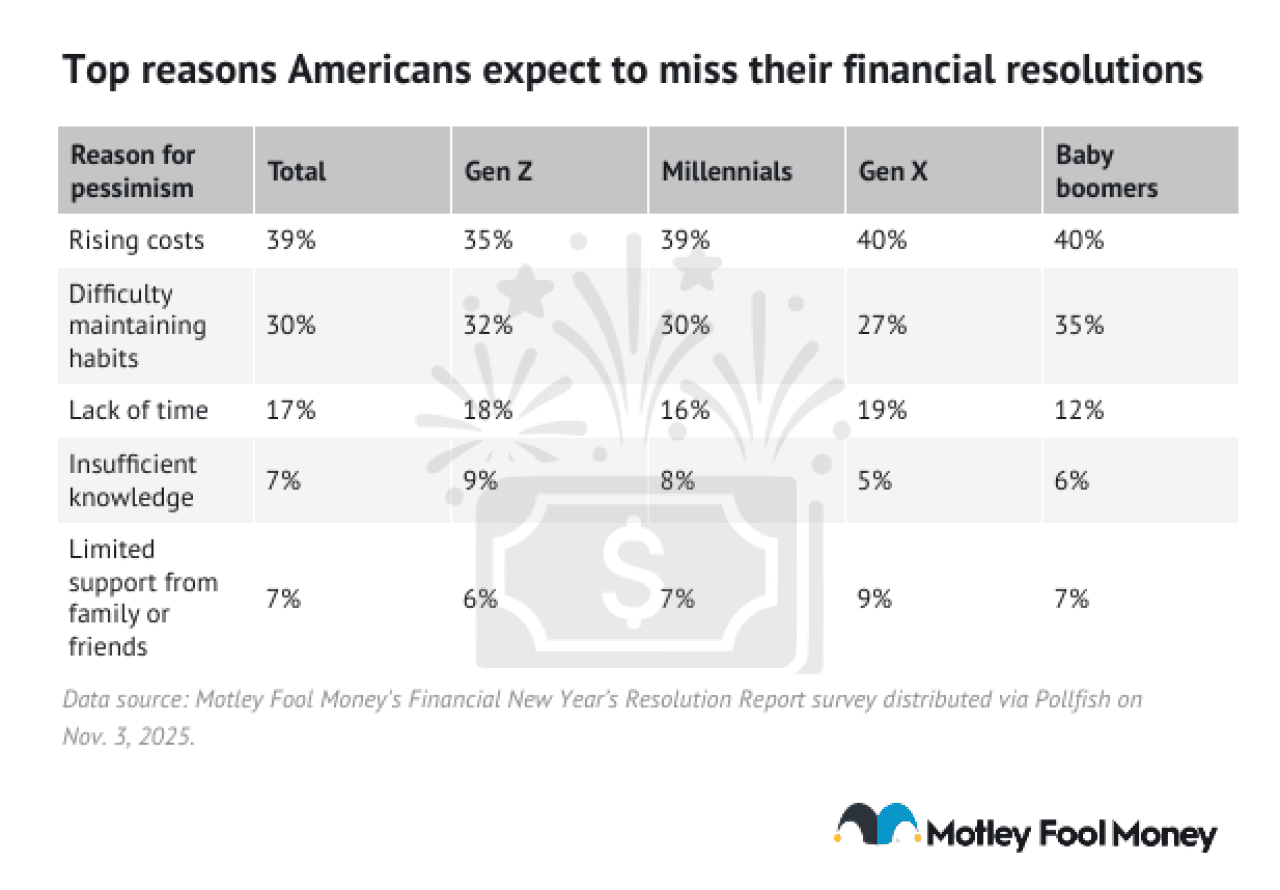
Direct excess funds towards high-interest balances. Avoid new unsecured financial obligation unless important. Maintain routine repayment schedules to limit overall interest expense. Irregular expenses develop monetary instability when not prepared ahead of time. Designate regular monthly contributions to a sinking fund for items such as insurance coverage premiums, real estate tax, automobile maintenance, medical requirements, and yearly subscriptions.

Latest Posts

Expert Steps to Restore Low Credit in 2026

Major Benefits of Consolidating Liability With Expert Help
How Debt Consolidation Works in 2026